Net-Zero Home Construction in Canada
A reference archive for building professionals, homeowners, and researchers tracking passive house standards, solar integration, and high-performance building envelope methods applied to residential construction across Canadian climate zones.
Passive House Certification in Cold Canadian Climates
Passive House International (PHI) and PHIUS standards both apply to Canadian projects, but the approaches to heating load limits differ meaningfully when a building sits in Climate Zone 7 or 8. Understanding the specific envelope performance targets for each certification body helps avoid redesign late in the permit process.
Read the OverviewRecent Articles

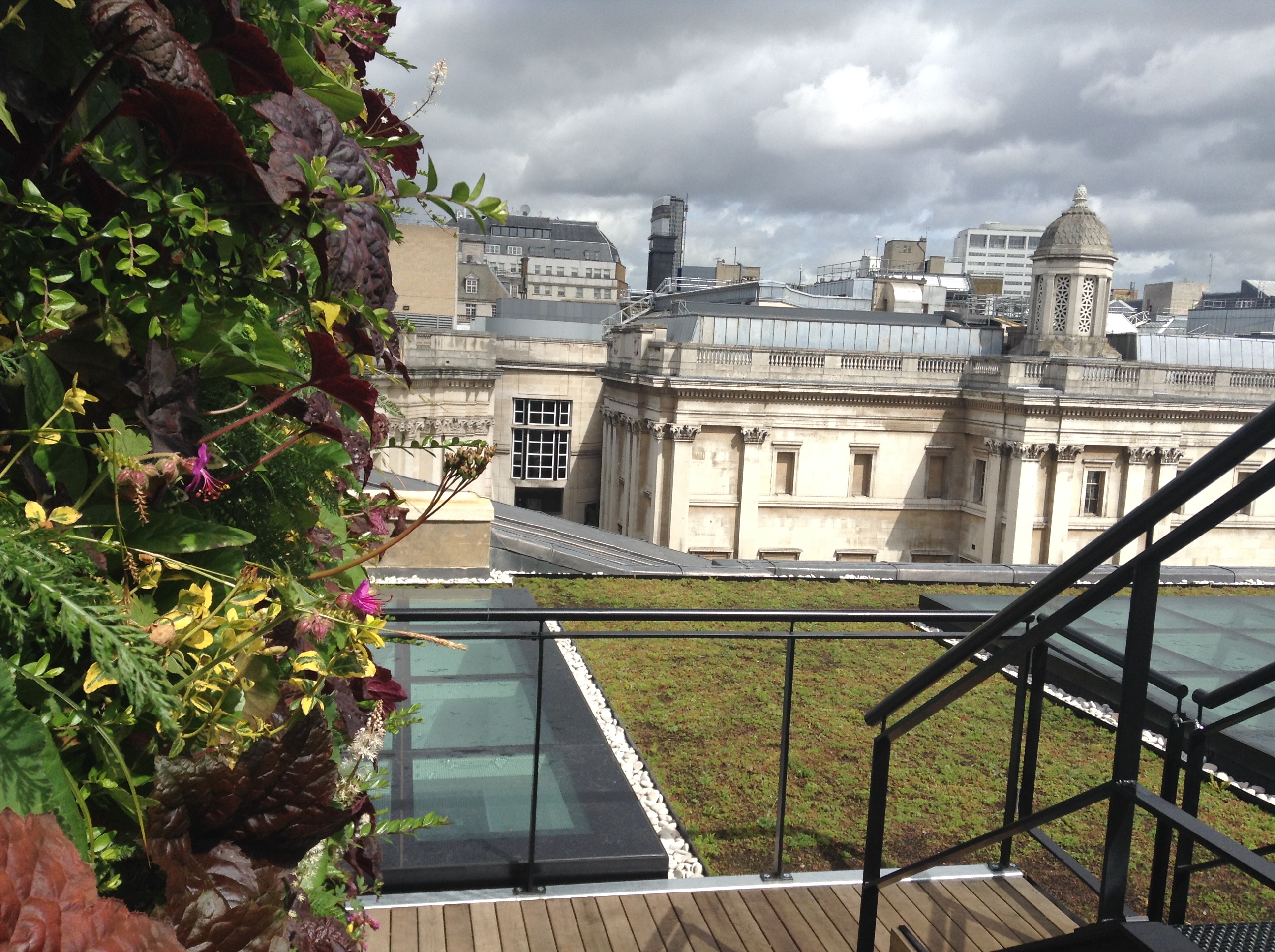

Building Envelope Performance Across Climate Zones
Canada spans eight ASHRAE climate zones, from the temperate Pacific coast to the subarctic north. Effective air barrier continuity, thermal bridging mitigation, and vapour control strategies must account for the specific zone where a project is located — a detail frequently underspecified in early-stage design documents.
Read the ArticleKey Topics Covered
Passive House Fundamentals
Airtightness targets, thermal bridge-free construction details, mechanical ventilation with heat recovery, and high-performance window specifications used in PHI and PHIUS certified builds in Canada.
Read more →Solar PV System Sizing
How photovoltaic array capacity is calculated relative to annual energy consumption, grid-tied vs. battery-backed configurations, and how utility interconnection agreements vary by province in Canada.
Read more →Continuous Insulation Layers
The technical case for exterior continuous insulation, the different material options available — mineral wool, EPS, polyiso — and how they interact with cladding attachment systems in cold and mixed-humid climates.
Read more →Canada's Net-Zero Energy Ready Building Code
Natural Resources Canada published the Pan-Canadian Framework on Clean Growth and Climate Change, and the subsequent move to a Net-Zero Energy Ready model national building code sets a performance floor that provinces are integrating at varying timelines. British Columbia's Energy Step Code is among the most advanced provincial implementations currently in use.
NRCan ResourceConnecting Technical Standards to Real Project Decisions
This archive draws from publicly available research from CMHC, Natural Resources Canada, and Passive House Canada to describe current net-zero residential construction approaches in plain language without promoting any specific contractor, manufacturer, or certification body.
About This ResourceHave a Question About Net-Zero Construction?
Use the contact form to send a question. Responses are provided during business hours, Monday to Friday.
Get in Touch